What shared rooms actually look like after a weekend of work

A few visual notes from the For Families side of the project: the pieces, the light and the layouts that come up again and again when a flat or townhouse is furnished around the people already living in it.

Gold Standard Living: for families

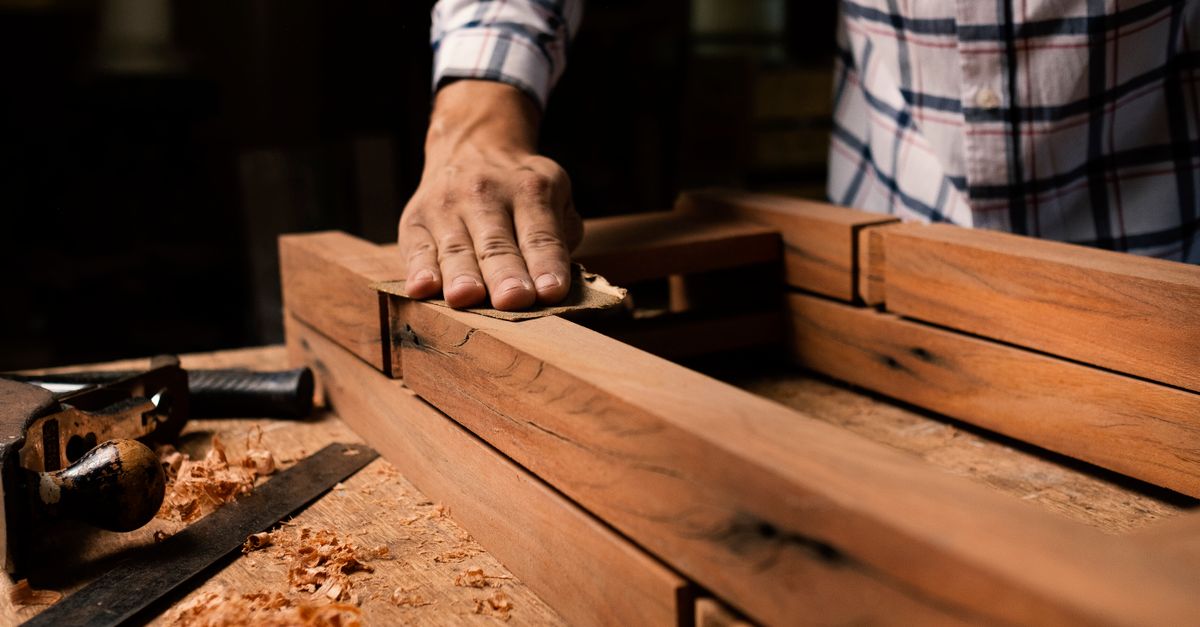
Sanding back a painted Oregon pine table

Most rental tables arrive under two or three coats of paint. Working from 80 up to 220 grit, then feeding the grain with oil, keeps the figure visible instead of flattening it. A slow weekend beats a rushed afternoon.

Gold Standard Living: for families

Fabric that survives Highveld light

Bright, dry inland daylight pushes pale greys toward blue and makes warm neutrals glow. A swatch taken home and left near the actual window tells you more than any shop light ever will.

Gold Standard Living: for families

Drawing the room before moving anything

Narrow townhouse living rooms are usually interrupted by a staircase or a passage door. Marking doors, windows and walkways on paper first saves you from a couch that blocks the only good light.

Gold Standard Living: for families

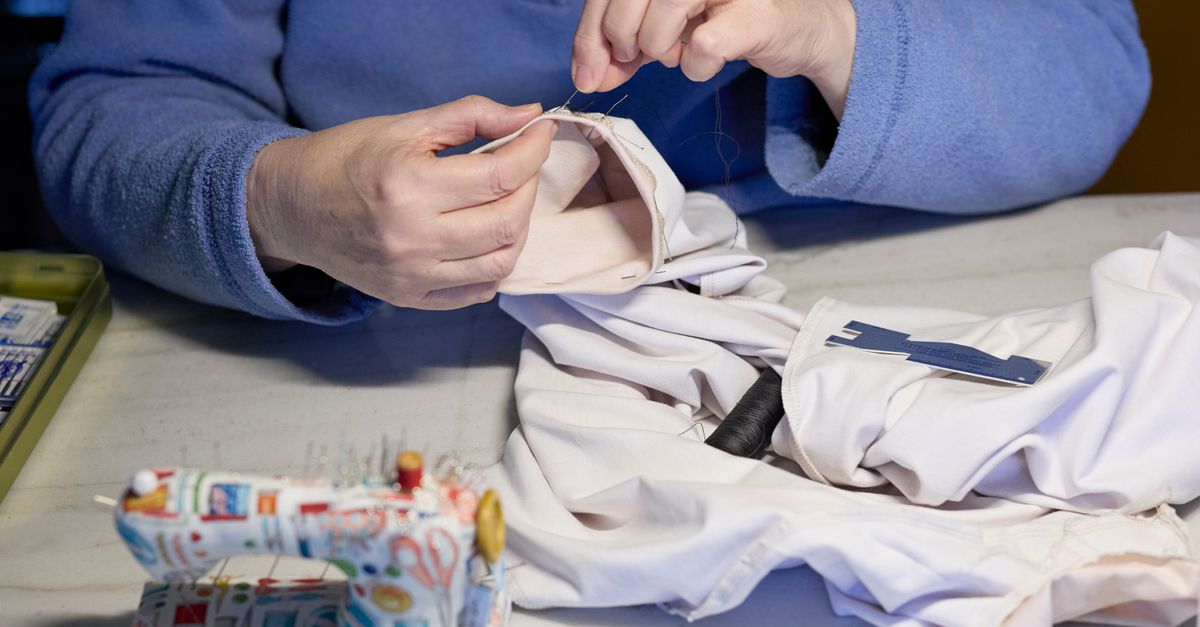
A first upholstery job at the kitchen table

Replacing a worn seat cover needs accurate measuring, a fabric with a little give and patience at the corners. No staple gun, no sewing machine. If the frame is loose or the foam has collapsed, that part goes to a professional.

How the work is checked, not just described

Families share rooms, budget and patience. So the process behind every restoration, layout plan and sourcing walk is kept visible from the first message to the last coat of oil.

Written scope before tools come out

Every piece or room gets a short written note: what will be sanded, what stays as it is, which joints get tightened, and which parts are left alone on purpose. If a repair turns out to be bigger than expected, that is said plainly before any work continues.

Conditions stated up front

Materials, drying time between oil coats, and what a household needs to keep clear while a piece is being worked on are all listed at the start. No surprise steps, no vague promises about how a finish will behave in Highveld light.

Plain communication

Questions from readers and workshop visitors get answered by the carpenters and decorators who actually do the work. Replies stay factual: what can be done, what cannot, and what a piece or layout realistically allows.

Detail checks on every piece

Drawers are tested for square, chair legs for wobble, veneer for lifting, and fabric for weave tightness before it is recommended for a shared living room. Small faults are noted rather than smoothed over in the write-up.

Stages documented as they happen

Sanding grits, oiling rounds, upholstery steps and layout revisions are recorded in order, so a reader can follow the same sequence at home. Where a step depends on the timber or the room, that condition is written next to it.

No scores, no sales talk

There are no ratings, rankings or claims about results. The editorial record shows the method, the materials and the limits, and leaves the judgement to the household living with the piece.

Why households keep coming back to this approach

Most families furnishing a flat or townhouse are not choosing between a designer and a dealer. They are choosing between replacing everything and working with what is already in the room.

Built around what you already own

The starting point is the Oregon pine table, the inherited couch, the chair with the loose leg. Restoration and upholstery guidance is written for pieces that are still in the house, not for a showroom floor.

Written for shared rooms

Small-space layouts are planned around the way a family actually moves through a narrow living room: walkways, storage, a place to sit together without crowding the window.

Answered by working hands

The reader question column is answered by carpenters and decorators who do this work, so advice on sanding, oiling and fabric choice comes from the bench rather than a catalogue.

How this differs from a decorating service

Nothing here is sold as a package to install. The editorial work explains the method, names the materials and shows the trade-offs, so a household can decide what to keep, what to repair and what to source second-hand.

Why readers trust the guidance

The publication is independent and based in Johannesburg, with a workshop collective behind it. Coverage stays close to local conditions: Highveld light, rental constraints and second-hand dealers around the city.

If you want the longer background on how the project started and who contributes, the story page covers it, and the contact page is where a normal enquiry goes.