Formats and sessions you can actually use

Gold Standard Living runs two kinds of work: recurring editorial formats you can read and follow at home, and small hands-on sessions from the workshop in Newtown. Below is what each one covers, who it suits, and how to pick the right starting point.

Editorial formats

For readers working through a flat one piece at a time.

  • Before-and-after room makeovers
  • Beginner tool guides and starter kits
  • Upholstery basics for kitchen-table projects
  • Reader questions answered by working carpenters and decorators

Good if you want to read first, then decide what to try on your own furniture.

Restoration sessions

Hands-on work at the workshop, focused on technique rather than quick results.

  • Sanding and oiling old Oregon pine
  • Upholstery basics, including measuring and fitting covers
  • Small-space layout planning for townhouse living
  • Second-hand sourcing walks with a working carpenter

Suited to renters and first-time homeowners who would rather repair a piece than replace it.

Sourcing and coverage

Where the material comes from and what it covers.

  • Furniture restoration methods for older timber
  • Fabric selection for rooms with strong Highveld light
  • Layouts for narrow rental living rooms
  • Trips to second-hand dealers in Kempton Park and Milnerton

Pick this if you are furnishing a flat without replacing everything.

What we publish and what we run in the workshop

Two sides of the same project: recurring editorial formats you can read and follow at home, and small hands-on sessions at our Johannesburg workshop. Below is what each one covers, who it suits, and where to read more.

Before-and-after room makeovers

Full walkthroughs of a single room, from the first measurement sketch to the last cushion. We show what stayed, what was repaired, and what was simply moved. Useful if you rent and cannot change the walls.

Read the editorial approach

Beginner tool guides

What to buy first, what to borrow, and what can wait. Written for people whose only previous experience is hanging a shelf, with plain notes on grits, clamps and old slotted screws.

Upholstery basics

Seat covers, foam, corners and hand stitching. We keep to jobs that can be done on a kitchen table, and we say clearly when a frame or foam problem belongs with a professional.

Reader question column

Working carpenters and decorators answer the practical questions that come in: a cupped board, a wobbling chair leg, a fabric that looked wrong once it was home. No automated replies, just considered answers.

Restoration and finishing

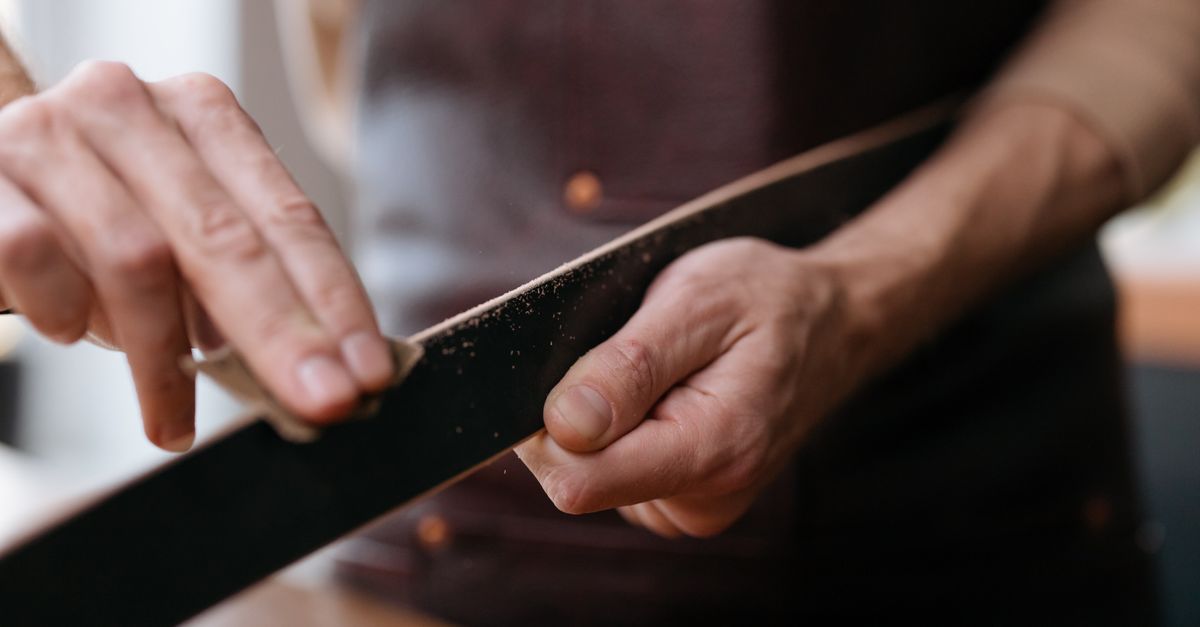
Stripping, sanding and oiling old Oregon pine without flattening the grain. We cover the graduated grit sequence, the difference between raw linseed oil and a modern hardwax, and the small joint repairs that matter more than the finish.

Small-space and sourcing

Layout planning for narrow townhouse living rooms, fabric choices for Highveld light, and slow sourcing trips to second-hand dealers. Bring a tape measure and a notebook rather than a shopping list.

Ask about a workshop session
Gold Standard Living: packages

How a piece moves through the workshop

Every restoration, upholstery job and layout plan follows the same internal route, from the first note in the inbox to the moment a finished piece leaves the bench. No shortcuts, no guessing.

Step 01

Request intake

A message arrives with a photo, a rough description and whatever the sender knows about the piece. We read it properly, note the timber, the damage and the room it has to live in, then file it against the right bench.

Step 02

Planning the work

The carpenters and decorators sit down together and decide the order of operations: strip or repair first, which finish suits the grain, which fabric reads well under Highveld light. Tools and materials get listed before anything is touched.

Step 03

Execution at the bench

Sanding, joint tightening, oiling, cutting covers, drawing floor plans. The work happens in the order agreed, with notes kept as it goes so a second pair of hands can pick it up without losing the thread.

Step 04

Checking the result

A second person inspects the piece against the original plan. Grain direction, finish evenness, seam alignment, whether the layout actually fits the room. Anything that fails the check goes back to the bench, not out the door.

Step 05

Handover

The finished piece or plan is handed back with a short written note: what was done, what to watch for, and how to care for the surface or fabric going forward. That note is the last step of the process, not an afterthought.

How we define things

A few working definitions, so nothing on this page reads as a promise we cannot keep.

Editorial format

A recurring written piece: a before-and-after room makeover, a beginner tool guide, an upholstery basics article, or a reader question answered by a working carpenter or decorator. Formats repeat; the subject and the room do not.

Workshop session

A hands-on session run from our Johannesburg base, built around technique rather than a finished piece. You leave with a method you can repeat at home, not a guaranteed result on the day.

Coverage area

Our writing stays within furniture restoration, sanding and oiling old Oregon pine, fabric selection for Highveld light, small-space layouts for townhouse living, and sourcing second-hand furniture. Anything outside that list is not something we cover.

What a listing here is not

A format or session listed on this page is a description of what we do, not a slot held for you. Nothing on this page confirms availability, reserves a place, or sets a date.

Reader questions

The question column is answered by carpenters and decorators who work on these pieces. Answers describe a general approach to a common problem; they are not a survey of your specific furniture.

Timber and materials

When we name a timber, a fabric or a finish, we mean the material as it commonly behaves in a Johannesburg flat. Age, previous coatings and how a piece was stored all change the outcome.

Where a term could be read two ways, the narrower reading applies. If something is unclear, the workshop address is Workshop 4, The Mills, 66 Carr Street, Newtown, Johannesburg, 2001, South Africa, and you can reach us at hello@godofprosperity.com or +27 71 543 9448.