A finish that survives the Highveld
You learn how Oregon pine behaves under dry inland light, why a hardwax holds up better than a thin varnish on a dining table, and how to feed the grain instead of sealing it flat.
Nothing here is automated. You write, a carpenter reads it, and the two of you work out what the piece actually needs before anyone touches a sander.
Use the enquiry form on the contact page. Tell us what the piece is, roughly how old it is, and which session fits: sanding and oiling, upholstery basics, small-space layout planning, or a second-hand sourcing walk. A photo description helps more than a long story.
A working carpenter or decorator goes through your notes, checks whether the piece suits the session you picked, and writes back with questions or a suggested approach. This is a normal email exchange, not a booking system.
Once the scope is clear, you settle on a Saturday slot and what to bring. Old Oregon pine with two coats of paint needs a different plan than a loose chair frame, so the reply will say which tools and materials matter for your case.
At Workshop 4, The Mills, you strip, sand, oil or stitch alongside someone who does this daily. Fabric swatches get held up in daylight so you can see how a weave behaves under Highveld light before you commit to it.
You leave with a finish you applied yourself and notes on grit sequence, oiling intervals and joint repairs. The same steps carry over to the next second-hand find from Kempton Park or Milnerton.
If the piece turns out to have woodworm, a cupped board or a frame that was glued badly, write again. We would rather adjust the plan than push a finish onto timber that needs repair first.
The workshop address is a contact and postal point only. Enquiries go through the form, and the reply comes by email. If you want the background on who writes and restores, the project story is the place to start, and the contact page holds the form itself.
Four things renters and first-time owners take away from a session at The Mills, whether they arrive with a painted pine table or just a floor plan and a tape measure.
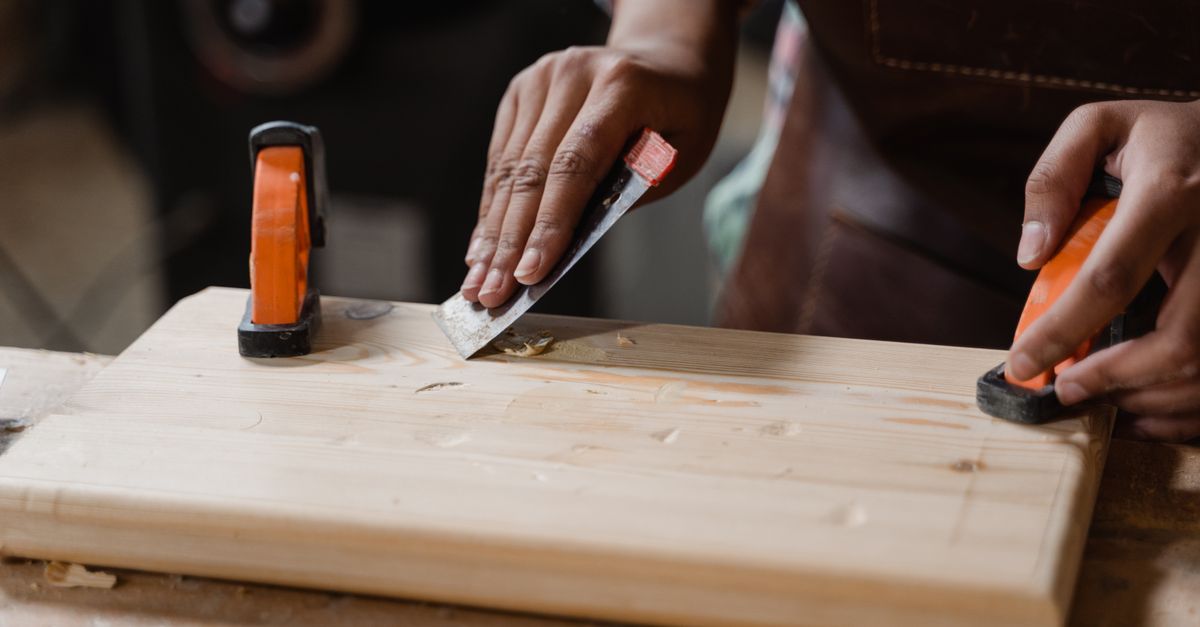
You learn how Oregon pine behaves under dry inland light, why a hardwax holds up better than a thin varnish on a dining table, and how to feed the grain instead of sealing it flat.
Swatches get carried to the window and compared side by side. Pale greys drift cool here, warm neutrals glow, and you leave knowing which weave suits the room you are actually furnishing.
Narrow townhouse rooms get measured, marked for doors and windows, and tested on paper. Two or three layouts are sketched by hand so you can see the walkway problem before you drag a couch across the floor.
Bring a find from a Kempton Park or Milnerton dealer and it gets checked for square drawers, hidden water staining and loose joints, so you know what is a ten-minute fix and what is a reason to walk away.
The workshop sits at Workshop 4, The Mills, 66 Carr Street, Newtown, Johannesburg, 2001. If you want the wider background first, read how the project started or send a normal enquiry.